The Raw Taste of Costa Rica
4–5 minute read
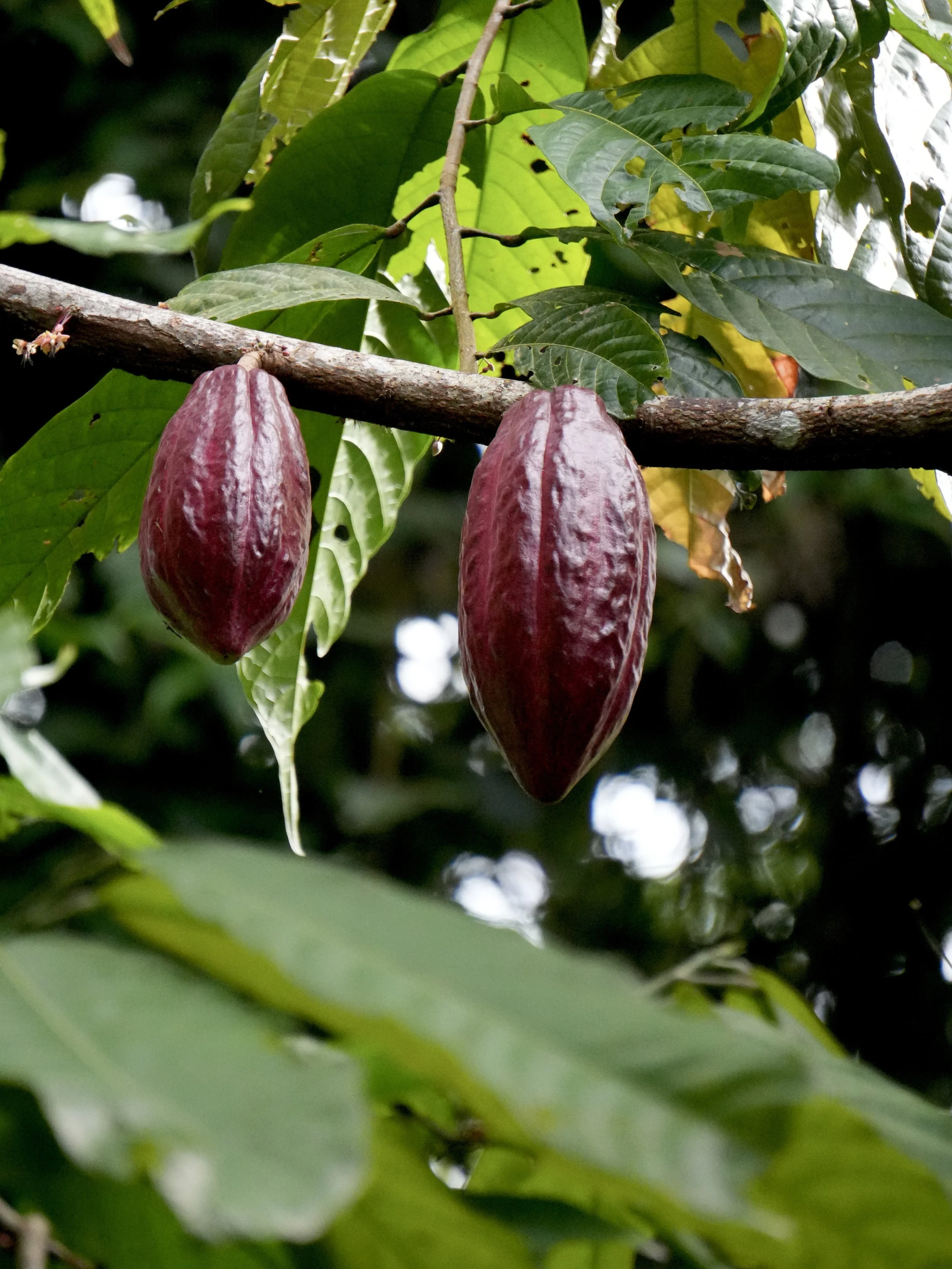
What made our Costa Rican trip such a sweet sensation?
Chocolate — real, raw chocolate.
From cocoa plants to fermented beans and slow roasting, we visit the CHOCORART Farm on Costa Rica’s southern coast to better understand one of the world’s most loved ingredients — from its origin, not the wrapper.
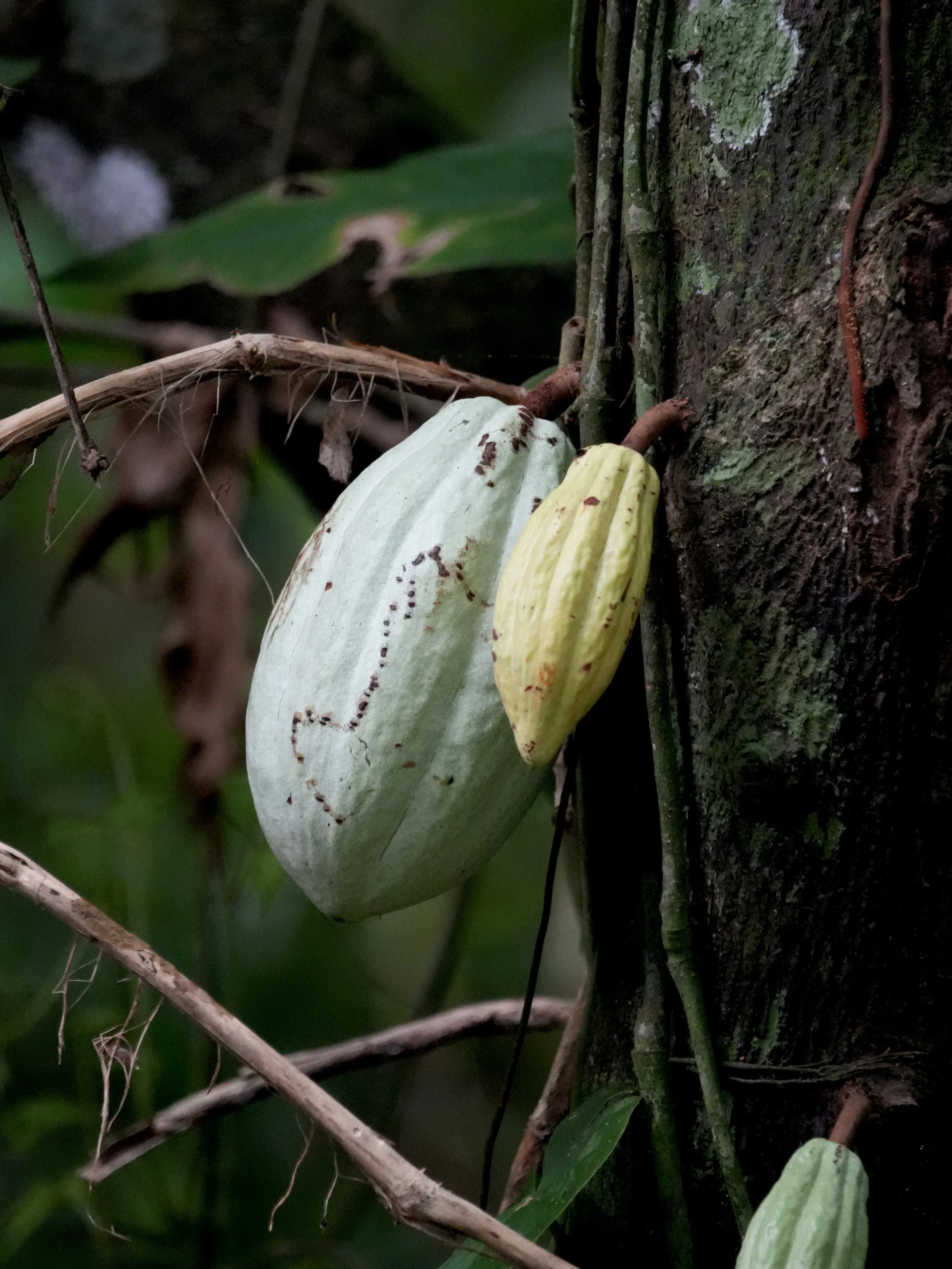
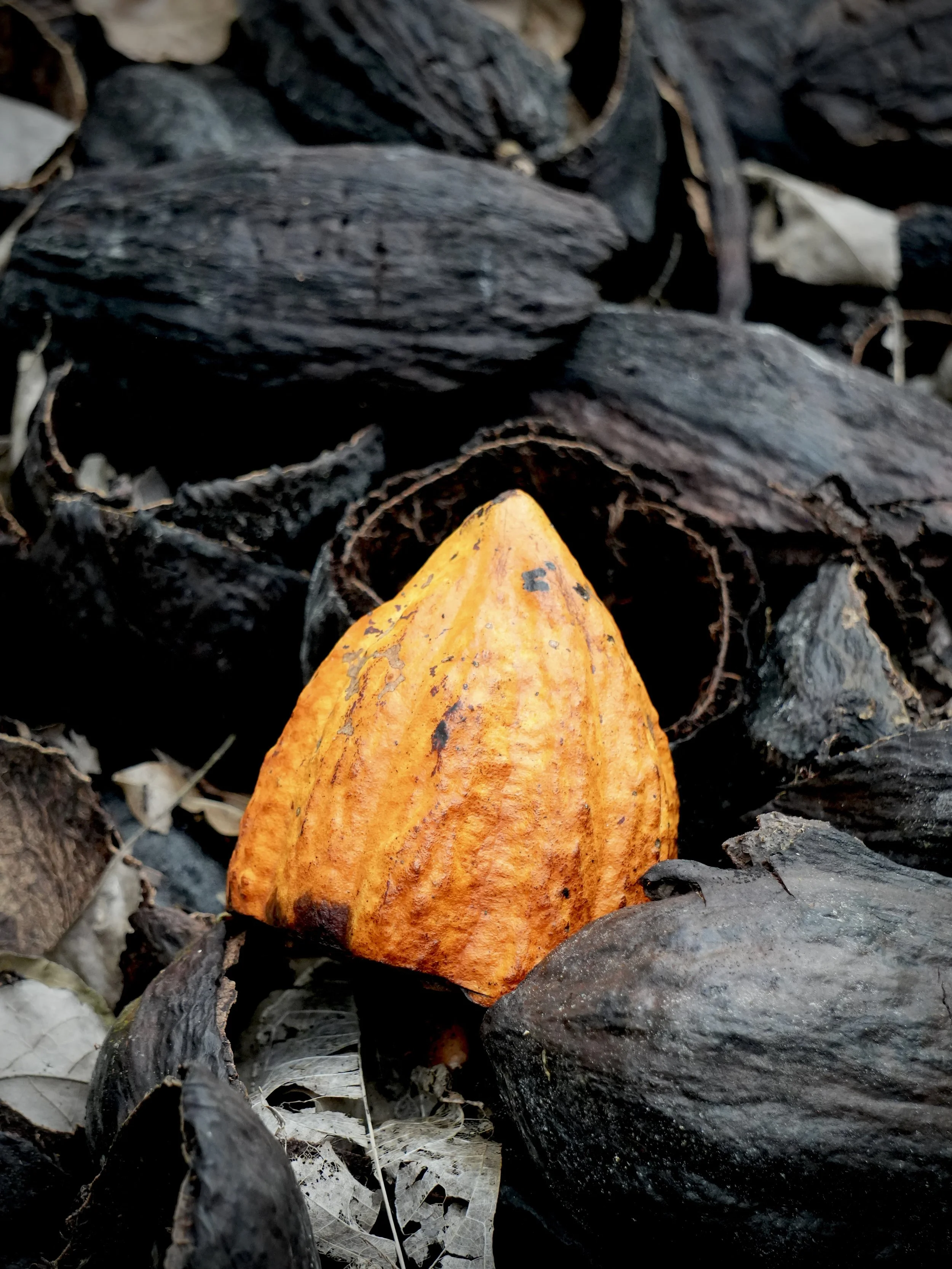
It’s another humid, slightly gloomy afternoon in Puerto Viejo. The late-day sun filters through the clouds as we make our way uphill toward a small, family-run chocolate farm that has been producing cocoa for more than thirty years. At the end of the asphalt road, the path narrows into a winding trail between cocoa trees, their large pods hanging in shades of green, yellow, and deep red.
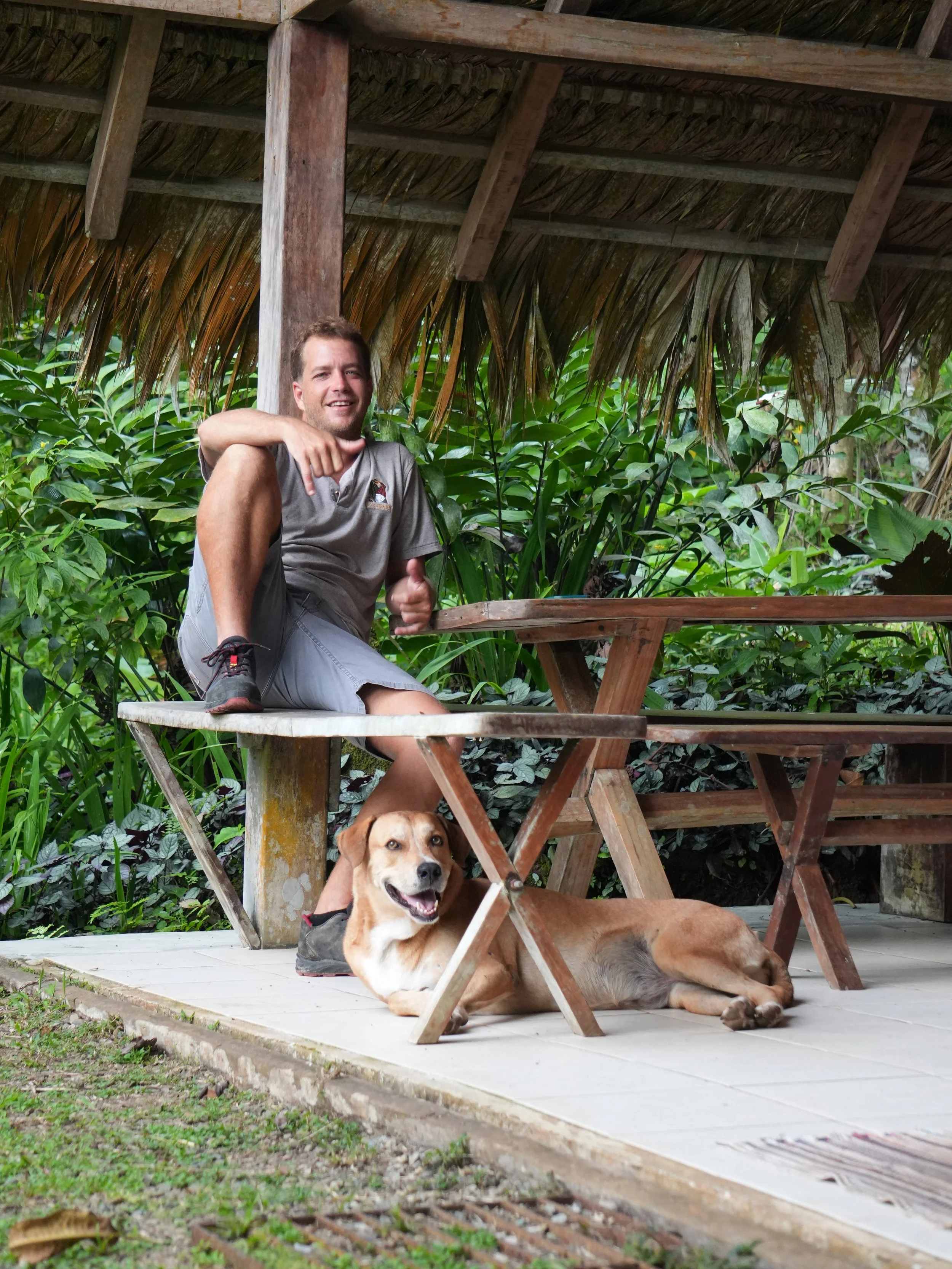
Our guide, Simon, welcomes us at a simple wooden hut, accompanied by his dog, Freya. Originally from Switzerland, Simon moved to Costa Rica with his family over three decades ago. His father was among the first to start cultivating cocoa in the region — long before fine chocolate became a global trend.
The tour begins with a humbling realization: how little we actually know about cocoa. We learn about the plant’s fragility, its susceptibility to disease, and the long, careful process required before cocoa ever becomes chocolate in Europe. Once the basics are laid out, we continue deeper into the “plantation” — a space that blends almost seamlessly into the surrounding primary jungle.
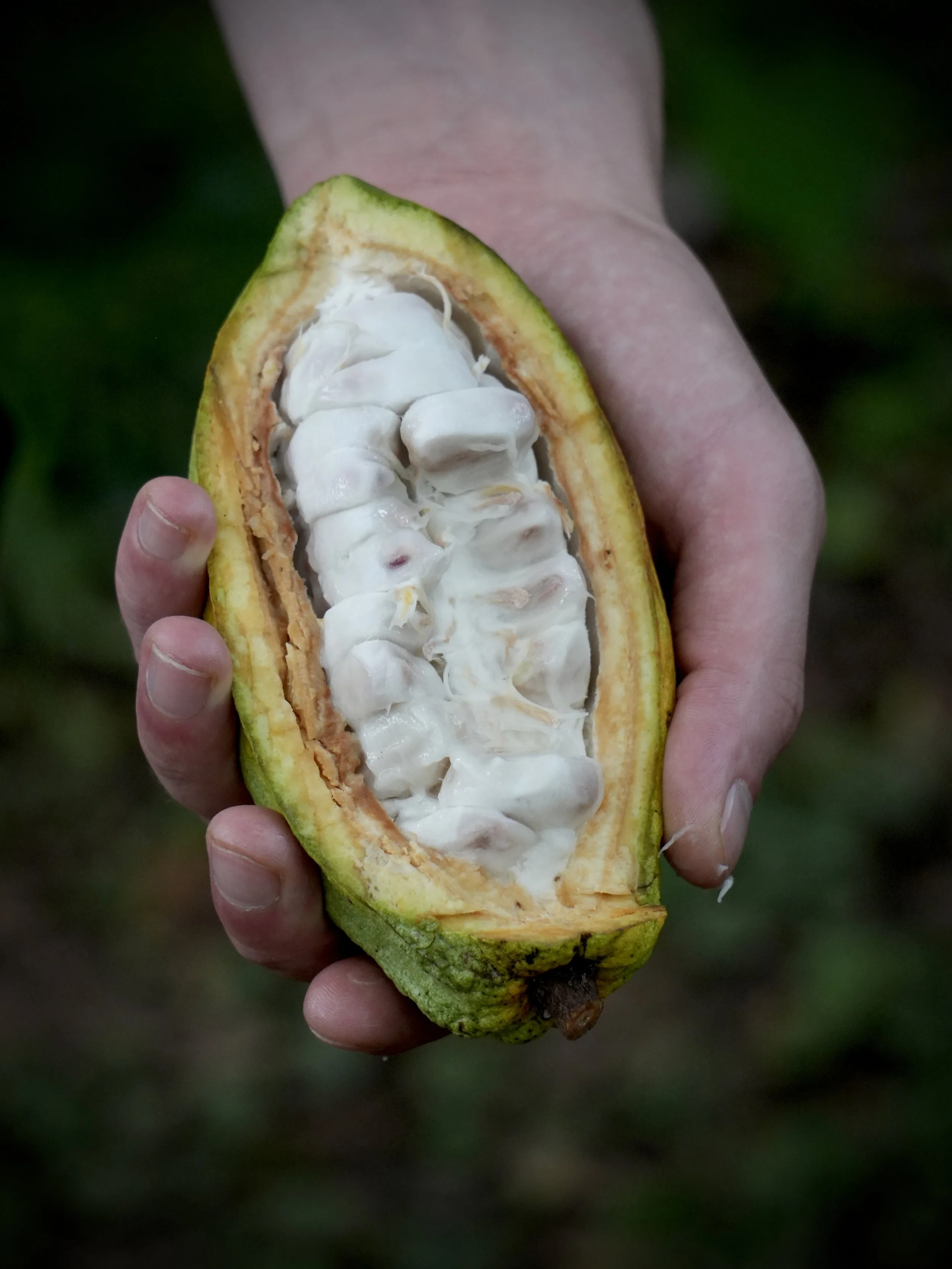
Along the way, Simon offers us fruits pulled straight from the trees: nance, star fruit, and fresh cocoa pulp cut open on the spot with a machete. I examine the unfamiliar textures with some suspicion — my picky personality making an appearance. After a moment of self-encouragement, I try the cocoa pulp. It’s surprisingly sweet, tropical, and intensely fruity. I immediately reach for a second bite, carefully avoiding the bean itself, which Simon warns can be a rough experience once the sweetness fades.
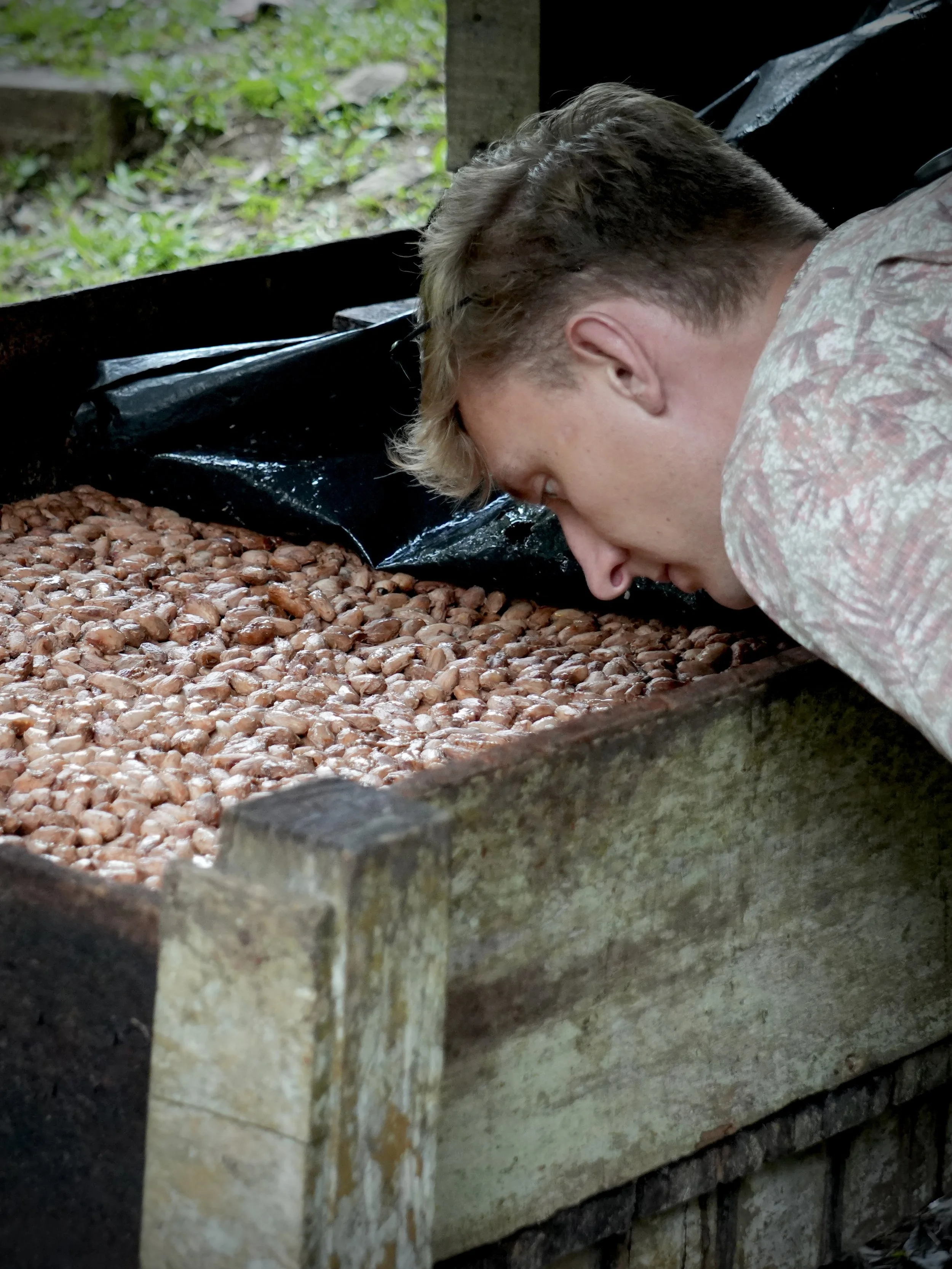
We move next to the fermentation area — a small, roofed structure where thousands of cocoa beans rest beneath a black blanket. The heat they generate is striking. You can feel it, smell it, and even touch it, depending on how brave you are. The beans ferment here for seven to eight days. When done correctly, Simon explains, the scent is pleasantly fruity and acidic. If it smells wrong, something has gone wrong.
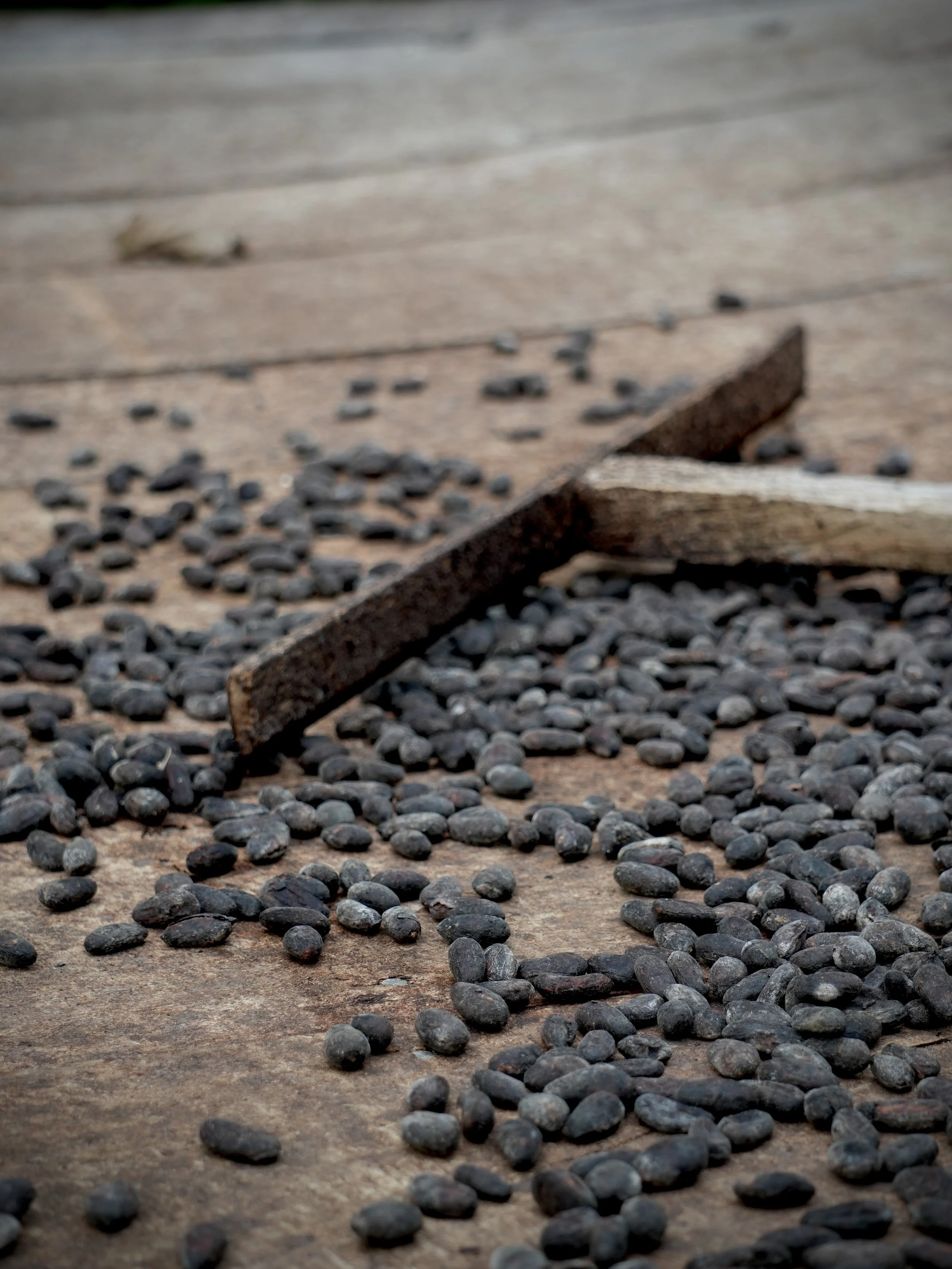
After fermentation, the beans are transferred to open “sun beds” — concrete or wooden platforms where they dry in the open air. This is one of the most critical stages: reducing moisture, stopping fermentation, and preventing mold. Once dried, the beans are carefully inspected. Only the highest-quality ones move on to roasting, where flavor deepens, acidity softens, and the shells loosen enough to be removed — something we experience ourselves using a massive stone grinder.
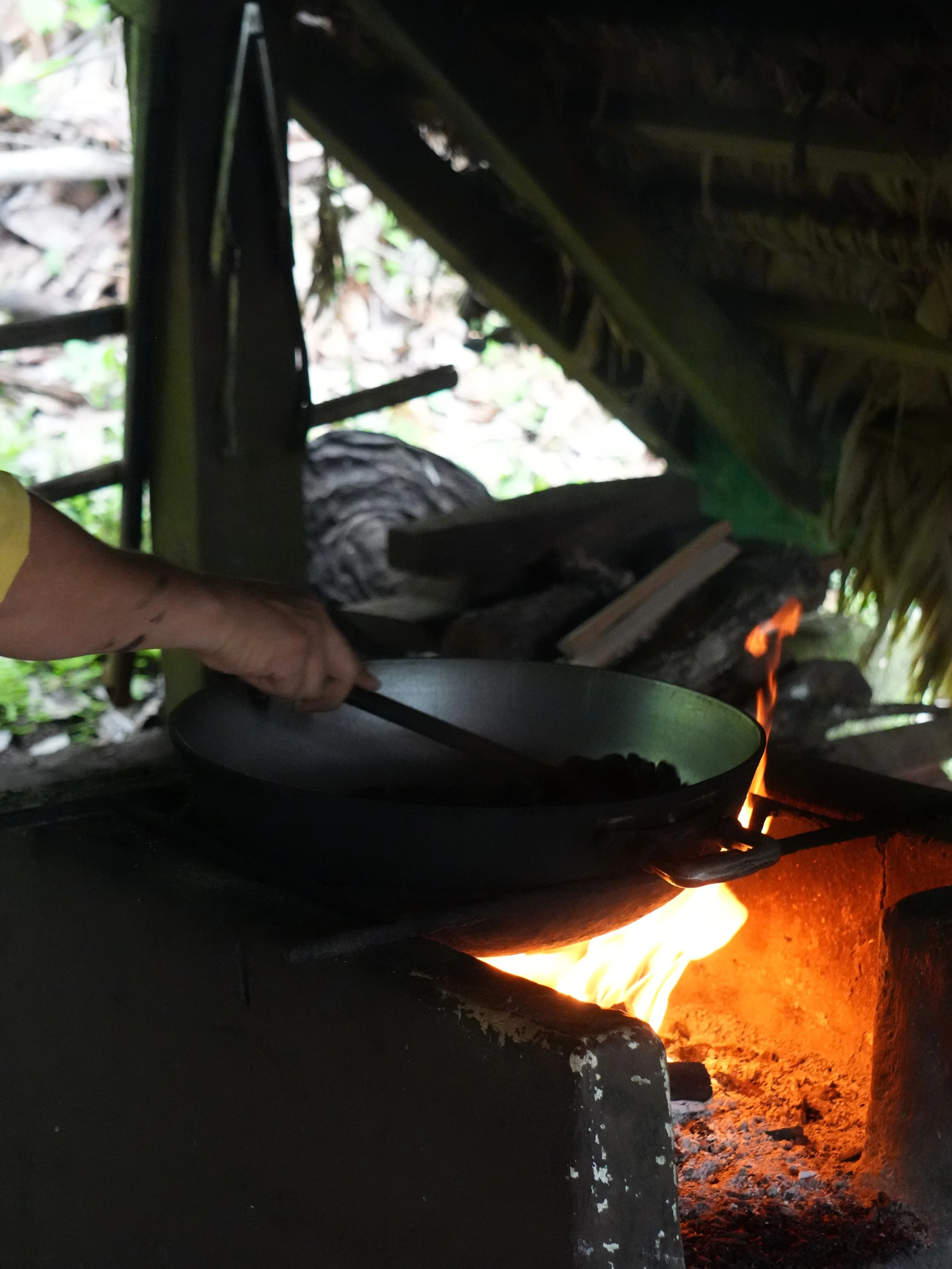
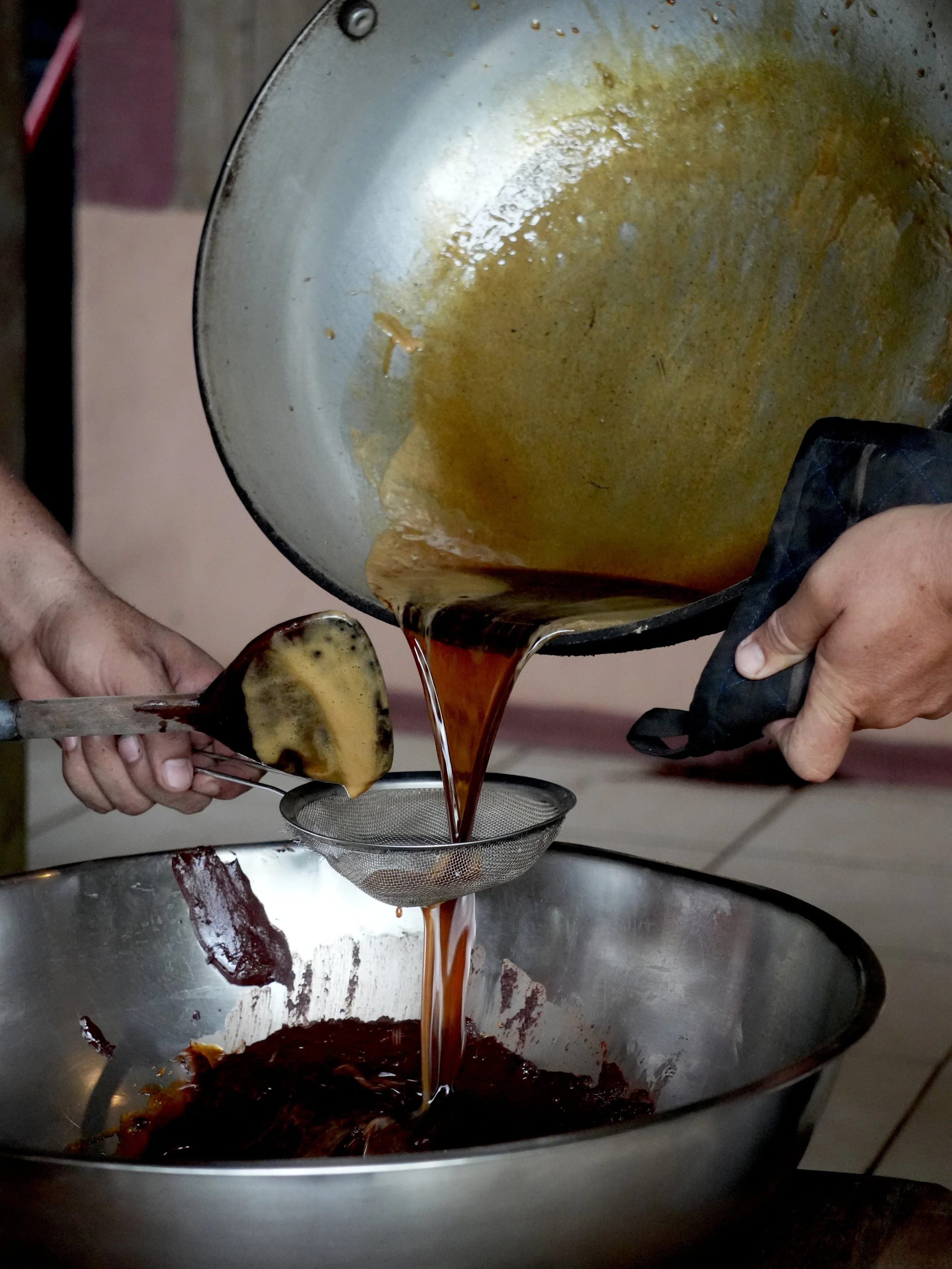
The final step brings everything together. The crushed cocoa nibs are gently heated over fire and mixed with sugarcane syrup. The result is a thick, organic liquid chocolate. We pour it over local bananas, sip it as hot chocolate, and pair it with a hibiscus drink. The taste is raw, pure, and deeply rich — melting slowly, waking every taste bud.
We leave without bags full of chocolate, but with something far more lasting: knowledge, respect, and a renewed curiosity. That single afternoon sparked an enthusiasm to seek out organic chocolate farms wherever we travel — and to never look at chocolate quite the same way again.